Packaging OS
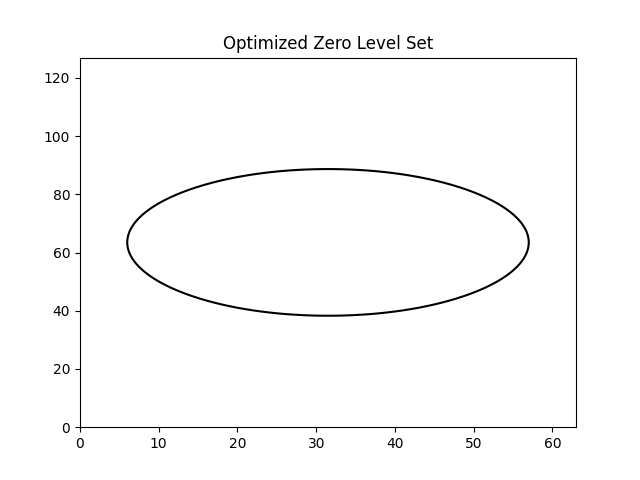
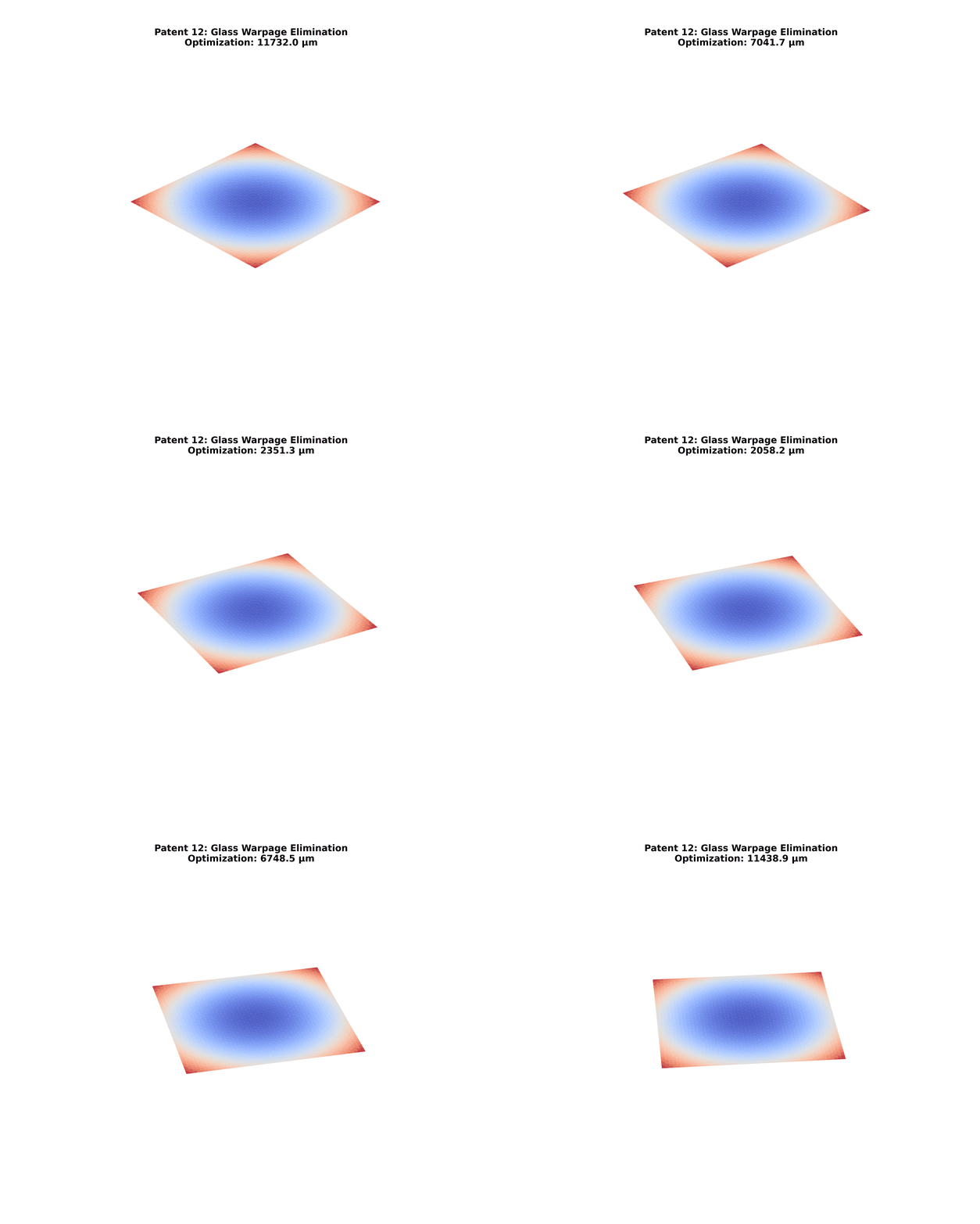
Solves rectangular substrate warpage for advanced packaging, with Kirchhoff-von Karman nonlinear plate solving and inverse-design compiler support.
Verified Evidence

Genesis Platform
Select your organization for a tailored experience
Need to move from materials supplier to platform-enabled substrate partner.

Without Physics Validation, Corning Glass Becomes a Commodity Input
Chinese fiber manufacturers (YOFC, FiberHome, Hengtong) already produce 500M+ fiber-km annually at 30-50% lower cost than Corning. The same industrial capacity and cost structure advantage applies to flat glass substrate production. AGC is actively pursuing advanced packaging glass substrates.
Current glass substrate market has zero vendor-specific performance specifications. No glass supplier publishes warpage control data, TGV design libraries, or RF isolation specs for their substrates. OEM qualification programs test glass generically, not by vendor. Specification lock-in does not exist in the current market structure.
Intel's Glass Core program and TSMC's CoWoS-L glass initiative are both in design rule development phase. Foundry design rules, once established, persist for 5-7 year technology generations. The glass vendor embedded in the reference design flow during this window captures durable competitive advantage.
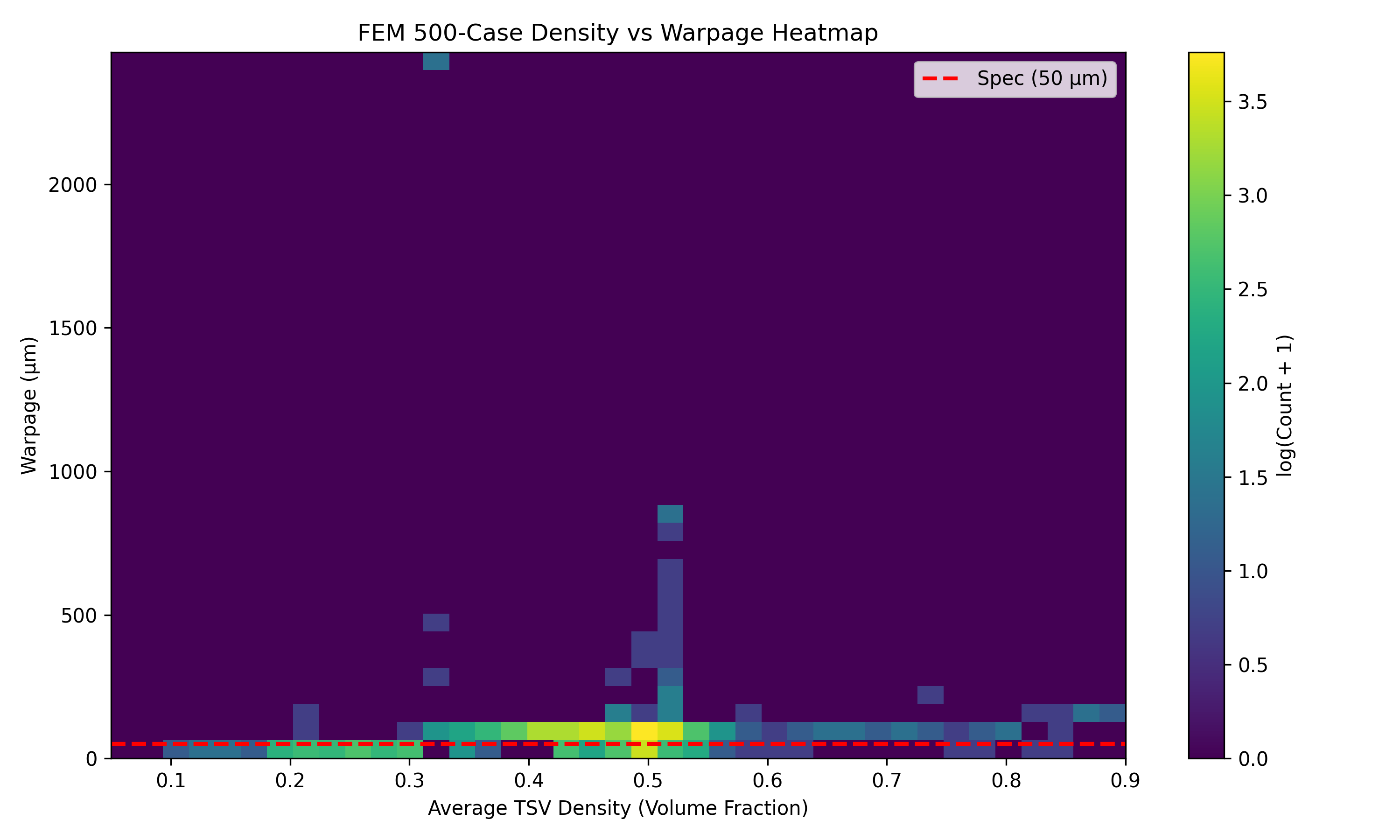
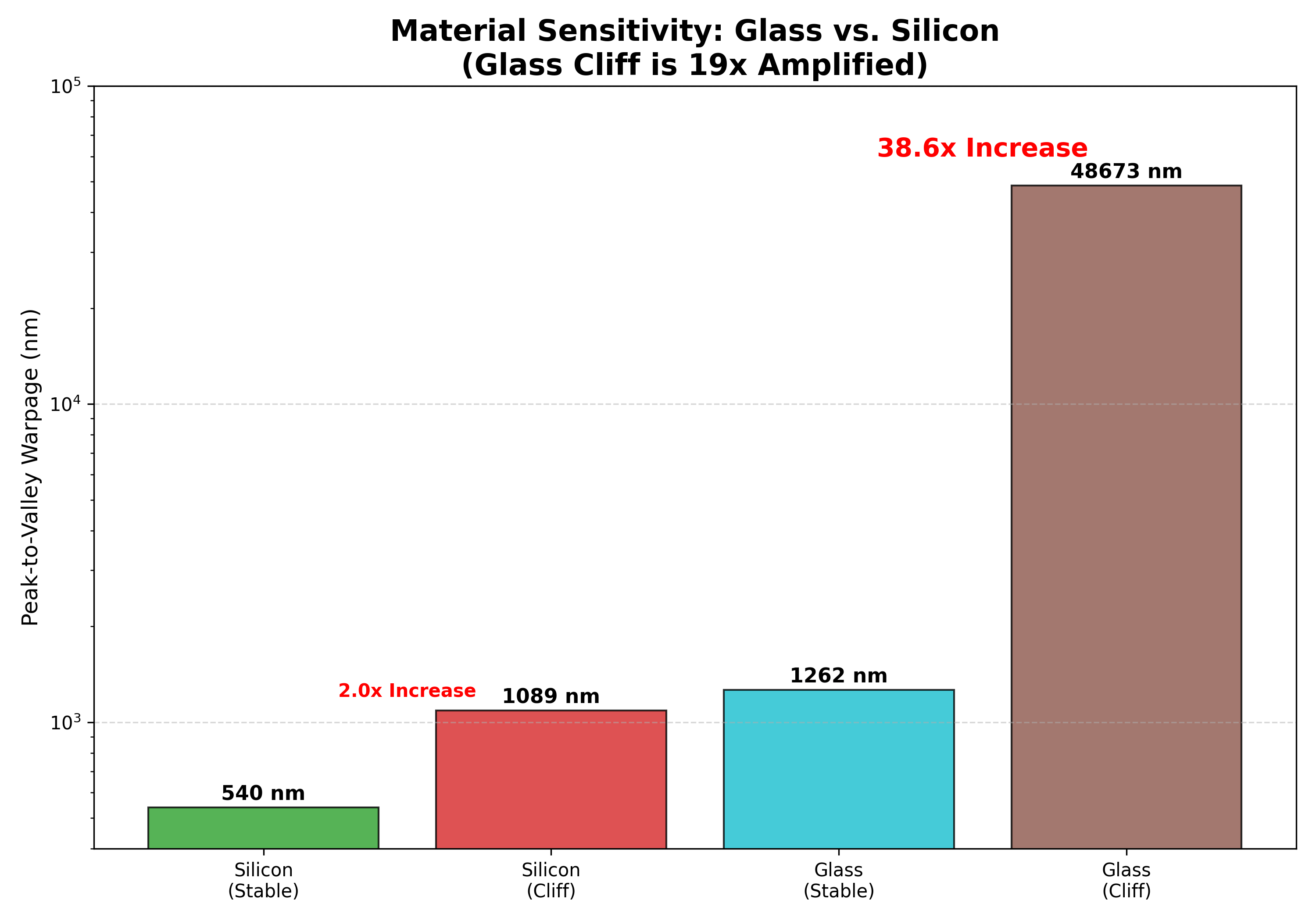
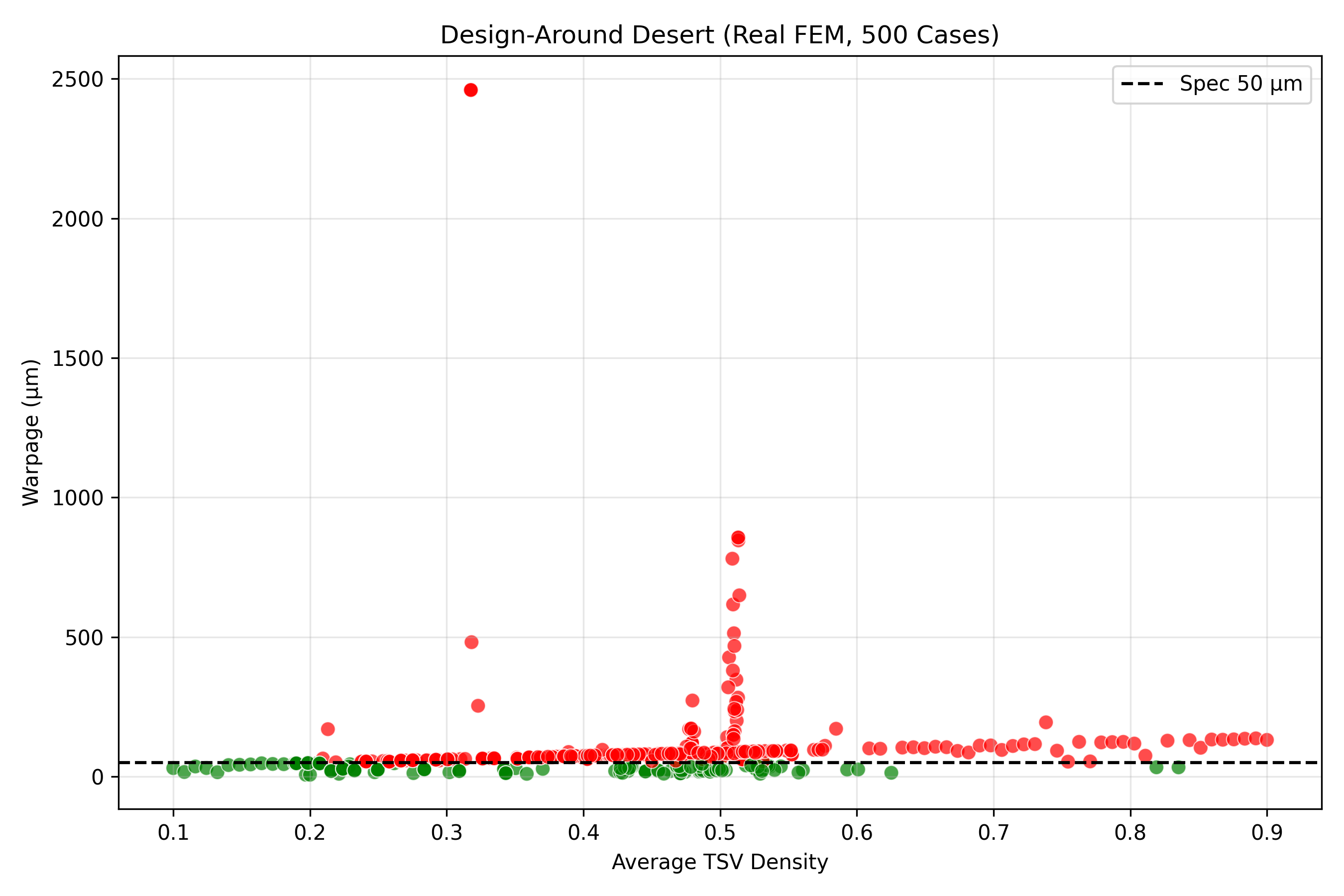
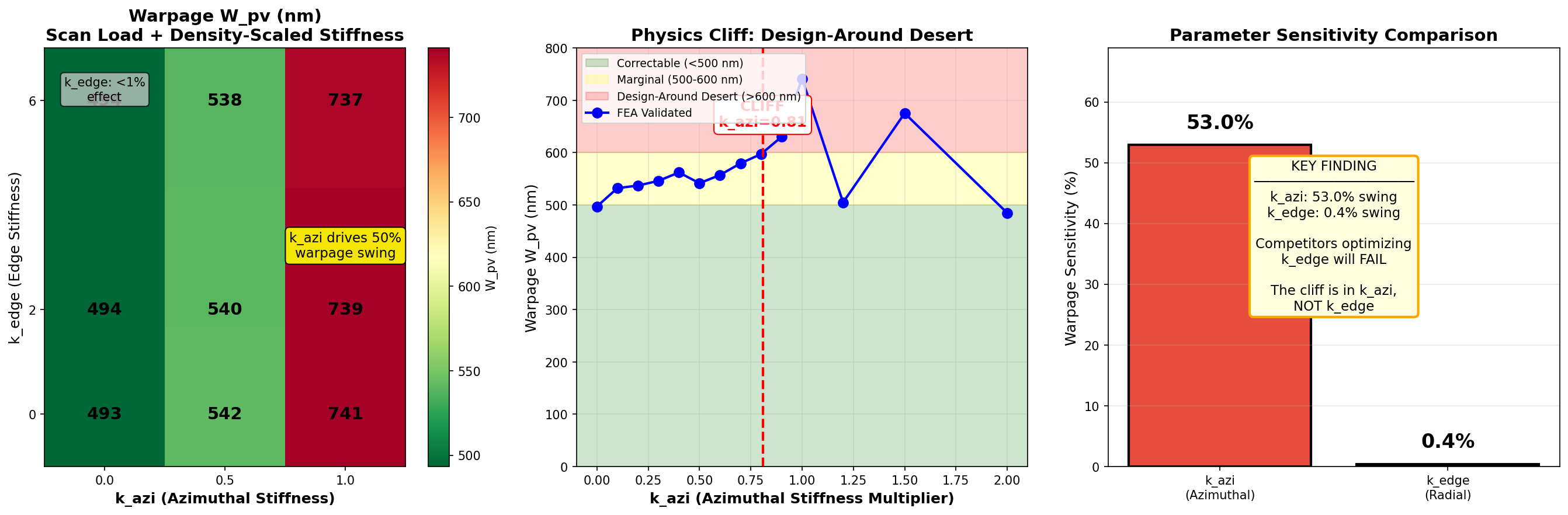
Glass is winning the substrate war on economics. A glass interposer costs $1,100 per wafer (fully processed) versus $5,000 per wafer for silicon CoWoS -- a 2-4x advantage that is reshaping how Intel, TSMC, and Samsung think about advanced packaging. Corning glass is already in the conversation for every next-generation panel-level package. But economics alone do not create a moat. The problem is that glass without physics validation is a commodity. AGC, NEG, and Schott can all melt borosilicate. Chinese glass manufacturers are scaling production capacity and competing on price per square millimeter. If Corning's value proposition is 'we make good glass,' the market will commoditize around you. OEMs will buy from whoever is cheapest. Margins will compress. The substrate opportunity becomes a volume trap. What changes this calculus is physics IP. Rectangular glass panels break every warpage control tool on Earth -- azimuthal stiffness modulation has 0.000% effect on rectangles (verified across 30 NLGEOM FEM cases and 5 materials). Glass amplifies warpage 19.18x versus silicon at the Physics Cliff. 93.6% of alternative design approaches fail. These are not Corning's problems to solve from scratch -- they are Corning's opportunity to own the solution. This IP makes Corning glass the only substrate material that has been physics-validated for rectangular panel packaging. 605 analytically screened TGV design points proven on glass. 315 warpage control cases with 90.3% reduction. 40-55 dB practical (TMM validated) RF isolation for mixed-signal chiplet integration. R-squared = 0.9652 substrate predictability through Zernike deformation control. You do not need to become a software company or a platform company. You need to sell the only glass that comes with proven warpage control, validated RF isolation, and a complete design kit that OEMs can trust. Every other glass on the market is an unvalidated experiment. Yours is the one with the data.
Physics validation IP that transforms Corning glass from a commodity material into the only substrate with proven warpage control (315 cases, 90.3% reduction), validated RF isolation (40-55 dB practical (TMM validated)), a complete TGV design library (605 analytically screened design points), and deterministic substrate predictability (R-squared = 0.9652). You do not change your business model. You change the value of every glass panel you ship.
The ONLY glass-specific PDK in existence. Full glass interposer Process Design Kit with 22 physics solvers, 605 analytically screened TGV design points validated on glass, CTE co-optimization from -40C to 150C, Monte Carlo yield prediction, ML surrogate for design exploration (being retrained; prior R²=0.537), and EDA export (Touchstone S2P, SPICE, HFSS). BEM impedance validation shows internal consistency; HFSS validation pending. Corning glass becomes the only substrate that ships with a proven interconnect design library. OEMs specify your glass because the validated designs exist for your material properties.
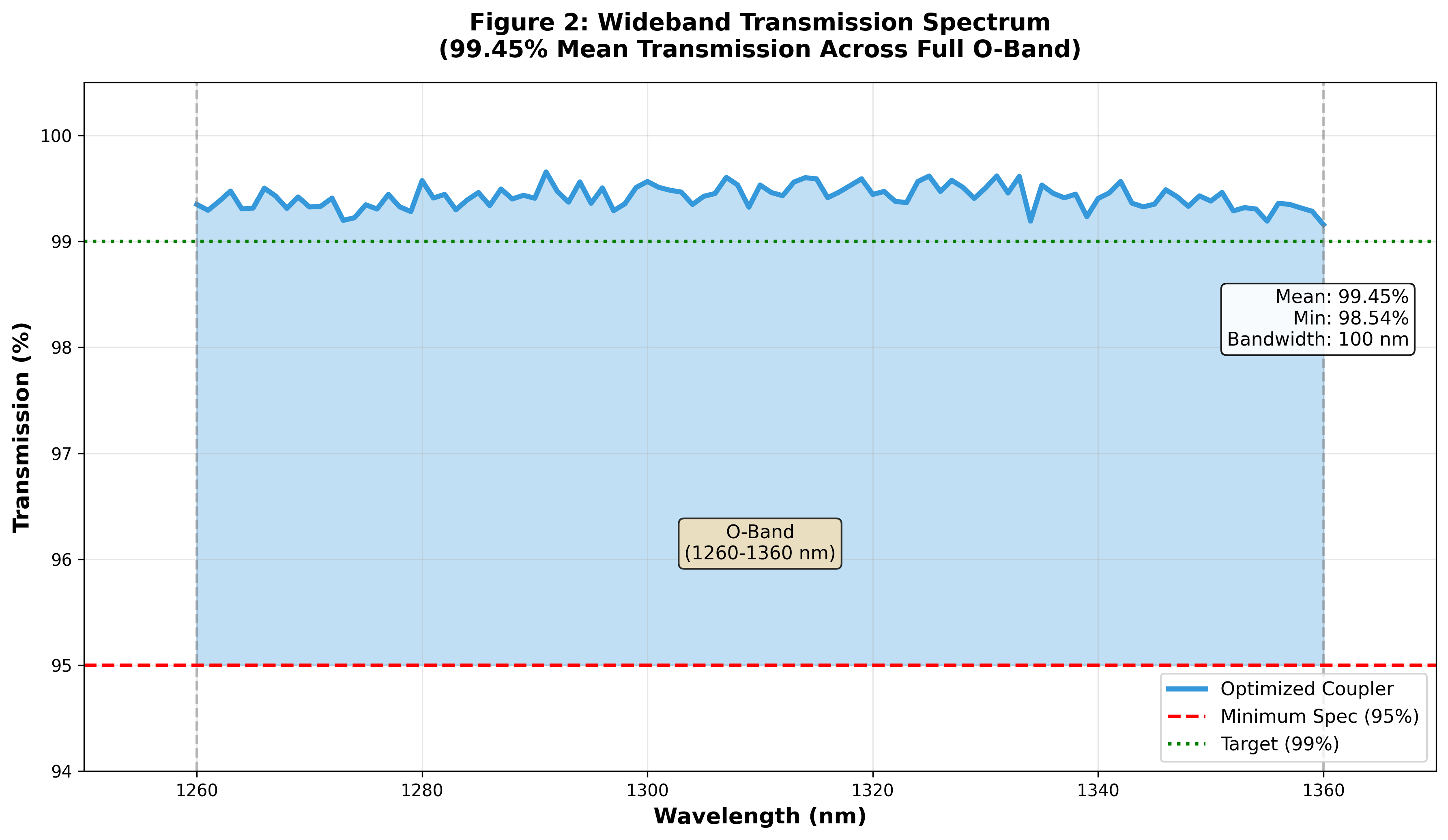
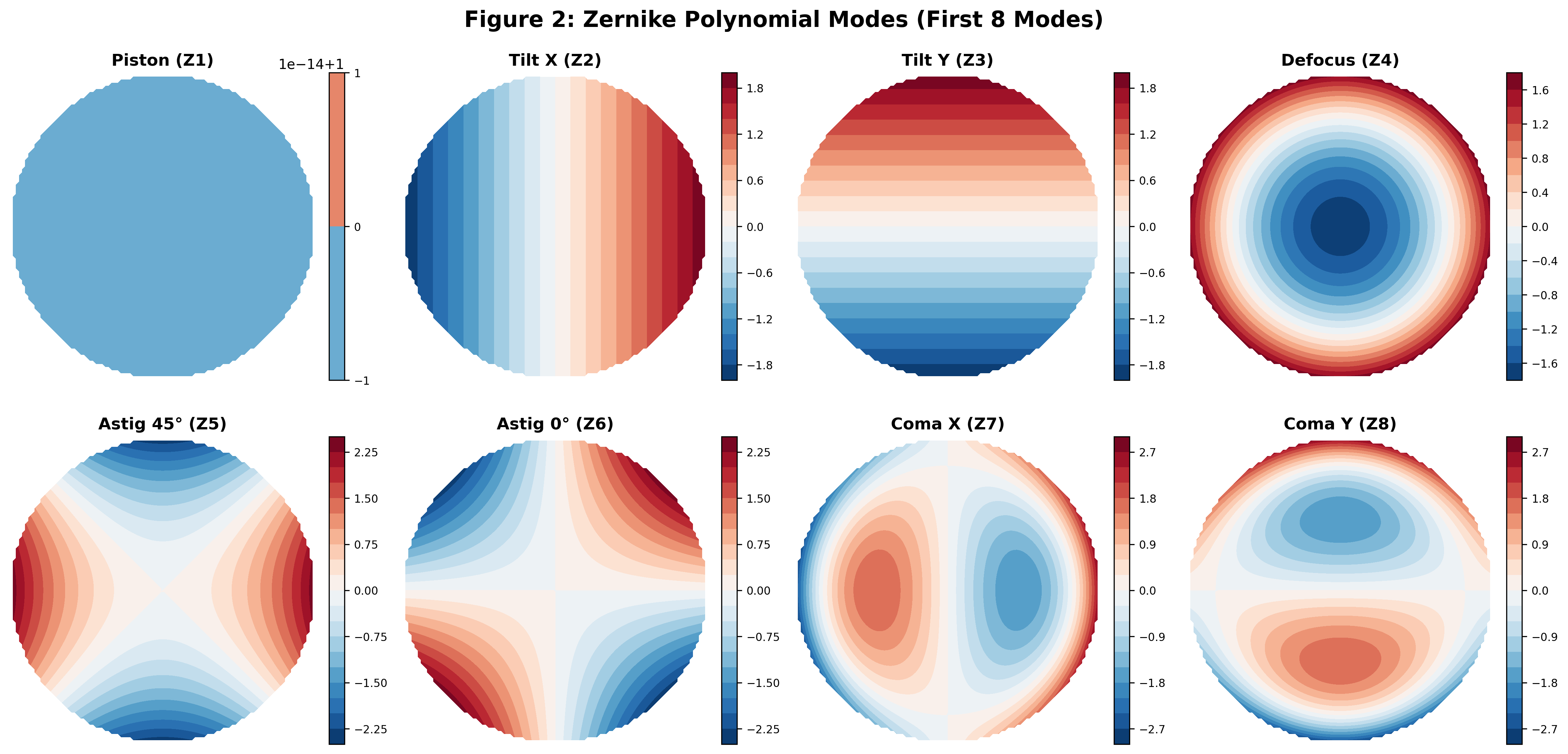
Zernike deformation control achieves R-squared = 0.9652 substrate predictability on glass. Glass Firewall RF isolation reaches 40-55 dB practical (TMM validated) at 100 GHz via quarter-wave dielectric stack. Smart Substrate weight optimization through Gibson-Ashby mechanical analysis at 70% porosity. These are glass substrate performance specifications that no competing vendor can publish -- transforming Corning from 'our glass is good' to 'our glass is the only one with validated deformation control and RF isolation data.'
Through-Glass Via architectures filtered from a 41,700-design sweep to identify the 605 that simultaneously meet 50±2 Ohm impedance via BEM (internal consistency validated; HFSS validation pending) and >10,000 thermal cycle reliability on glass substrates. Includes Bi-Metallic Shell approach reducing via stress 25x. 605 novel designs outside existing Intel/TSMC patent claims. These designs become Corning's technical sales tool: OEMs adopting glass start with your validated library instead of 6-12 months of independent characterization.
315-case warpage control validation with 90.3% mean reduction on glass panels. 30 NLGEOM FEM cases proving 0.000% azimuthal effect on rectangular geometry. Physics Cliff characterization showing 19.18x glass amplification factor. Bayesian optimizer achieving 4.53 um warpage on glass. This dataset is the proof that Corning glass is manufacturable for advanced packaging -- the evidence that converts OEM uncertainty into design rule specifications naming Corning by part number.
Every claim is backed by reproducible simulations. Browse the evidence from 3 mapped data rooms.


Detailed breakdown of each relevant data room — scope, verification status, and key evidence artifacts.
Solves rectangular substrate warpage for advanced packaging, with Kirchhoff-von Karman nonlinear plate solving and inverse-design compiler support.

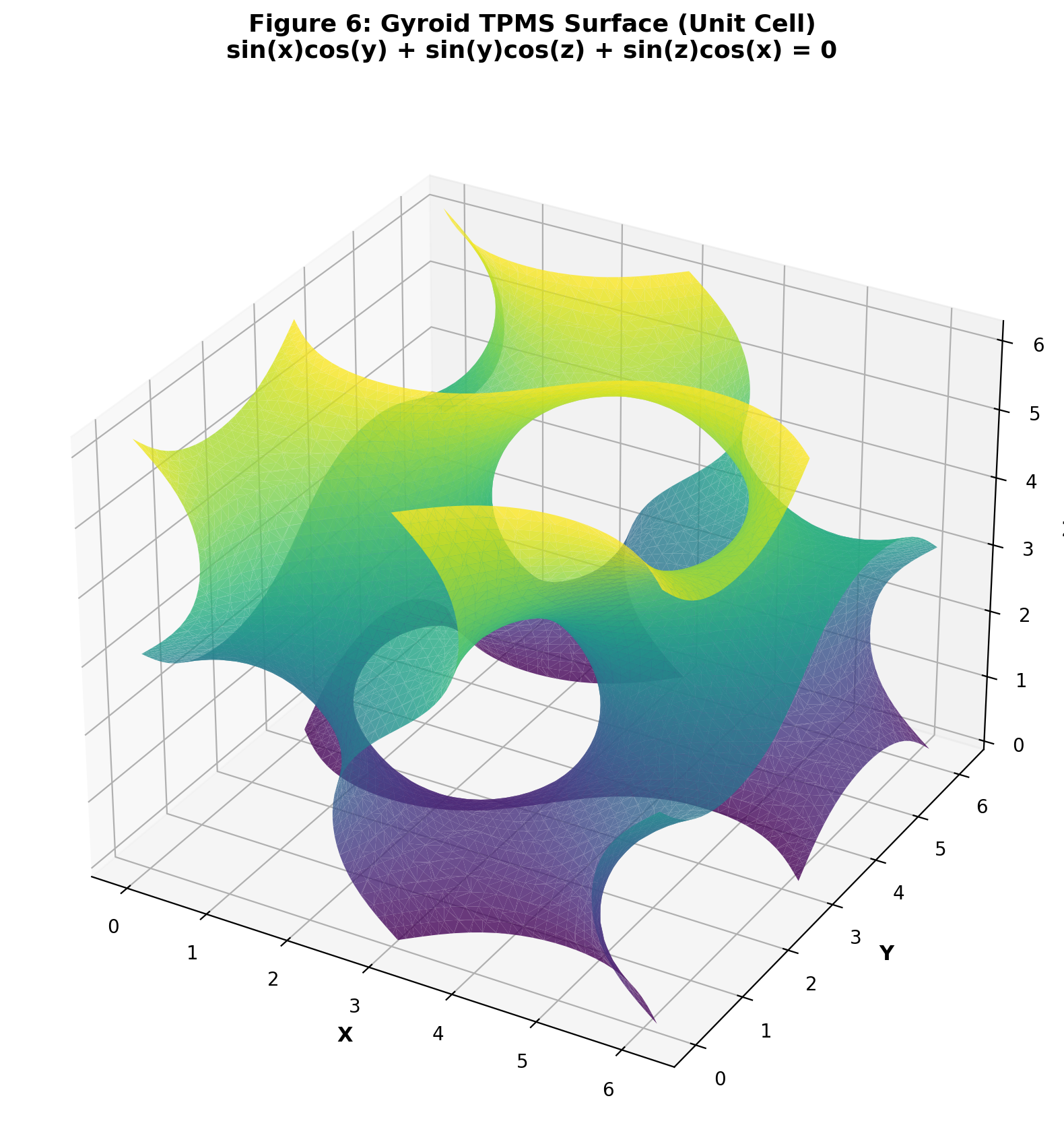
Combines glass firewall, Zernike substrate optimization, low-index optical lattice, and smart substrate mechanics into one photonics stack.

The ONLY glass-specific PDK in existence. Compiles YAML spec-in to GDSII-out in <1s with 22 physics solvers, 50±2 Ohm BEM impedance (internal consistency validated; HFSS validation pending), EDA export, and yield/feasibility workflows. ML surrogate being retrained (was R²=0.537).

AGC (Asahi Glass) and NEG (Nippon Electric Glass) supply glass substrates to the same OEMs but have zero physics validation IP -- they compete on price per panel and glass composition. Schott has specialty glass expertise but no substrate-level design platform. Chinese glass manufacturers are scaling capacity for commodity borosilicate panels and will compete on price within 3-5 years. No competing glass vendor has published warpage control data for rectangular panels, TGV design libraries, or RF isolation specifications validated on their glass. Corning has the brand, the manufacturing scale, and the OEM relationships. This IP provides the technical moat that makes those advantages permanent.
Corning glass with physics validation IP: 605 analytically screened TGV design points, 315-case warpage control data, 40-55 dB practical (TMM validated) RF isolation specification, and R-squared = 0.9652 substrate predictability. OEMs specify Corning by name because the performance data exists nowhere else. Premium pricing justified by validated engineering data.
AGC / NEG / Schott: commodity glass panels sold by area and thickness. No warpage control data. No TGV design library. No RF isolation specifications. OEMs treat all glass vendors as interchangeable. Price per square millimeter is the only differentiator. Margins compress as Chinese capacity scales.
Cartesian stiffness control (Patent 2, 150 claims) validated specifically on glass. 19.18x amplification factor characterized. 90.3% warpage reduction across 315 cases. Bayesian optimizer achieves 4.53 um on glass. 0.000% azimuthal effect on rectangles confirmed. Corning can provide OEMs with warpage-characterized glass -- no other supplier can.
No competing glass vendor has published rectangular panel warpage data. AGC and NEG supply raw glass and leave warpage problems to the OEM. 93.6% of design approaches fail without Cartesian physics. OEMs solving warpage independently may choose any glass vendor -- no specification lock-in for the glass supplier.
605 analytically screened TGV design points validated on glass substrates: 50±2 Ohm impedance via BEM (internal consistency validated; HFSS validation pending) within 10%, >10,000 thermal cycle reliability, CTE-matched fill materials. Bi-Metallic Shell approach reduces via stress 25x (7.29 MPa to 0.29 MPa). Corning glass becomes the only substrate that ships with a proven interconnect design library.
No glass vendor provides TGV design data. OEMs must characterize every TGV geometry from scratch -- 6-12 months per design using $100K-$500K/year EDA tools that have no glass-specific modules. 0/13,900 standard copper TGV designs survive thermal cycling on glass. The design burden falls entirely on the OEM.
Glass Firewall: 40-55 dB practical (TMM validated) electromagnetic isolation at 100 GHz via quarter-wave dielectric stack validated by Transfer Matrix Method. Enables analog/digital chiplet co-packaging on glass interposers. Corning glass is the only substrate with validated RF isolation performance -- a requirement for every mixed-signal chiplet integration.
No competing glass vendor publishes RF isolation data for their substrates. OEMs using AGC or NEG glass must independently validate electromagnetic isolation, adding months to design cycles. Without isolation data, mixed-signal chiplet integration on glass remains an unvalidated risk for the OEM.
Physics validation IP creates a technical moat that glass chemistry alone cannot provide. 1,037 total patent claims across the platform. 93.6% design-around failure rate. Chinese manufacturers can replicate glass compositions but cannot replicate ~512 FEM task IDs, 605 analytically screened design points, and 315-case warpage reduction data without years of independent investment and patent infringement.
AGC, NEG, and Chinese manufacturers compete on glass melting capability, which is replicable. YOFC and FiberHome have demonstrated ability to scale glass production at 30-50% lower cost. Without physics IP differentiation, all glass substrate vendors converge toward commodity pricing. Material margins compress as Chinese capacity reaches global demand scale.
Technical pushback we've heard — and the data that resolves it.
Map Corning glass compositions (Eagle XG, Gorilla Glass substrates, fused silica) as default materials in the Glass PDK compiler. Run warpage validation on Corning-specific glass properties (CTE, Young's modulus, Poisson ratio). Generate Corning-specific physics data sheets showing warpage control, RF isolation, and TGV reliability on your glass. Deliverable: validated performance specifications attached to Corning glass SKUs.
Build OEM-ready technical data packages proving Corning glass performance for Intel Glass Core, TSMC CoWoS-L, and Samsung glass substrate programs. Include TGV design library (605 analytically screened design points validated on Corning glass), RF isolation specifications (40-55 dB practical (TMM validated) Glass Firewall data), and warpage control parameters (Cartesian stiffness maps for Corning panels). Begin sampling physics-validated glass with lead OEM customers. Deliverable: Corning glass specified by name in OEM design rules.
Establish Corning glass as the reference substrate in Glass PDK standard configurations. License validated design data to OEM substrate teams. Position physics-validated glass panels at premium pricing versus commodity alternatives from AGC, NEG, and Chinese manufacturers. Deliverable: sustainable margin premium on glass substrates backed by physics IP that competitors cannot replicate.
8-patent Glass PDK portfolio framing.
40-55 dB practical RF isolation (TMM validated at 100 GHz).
Rectangular packaging controls and design-desert maps.
Every metric in this dossier is backed by reproducible computational evidence. Request a technical briefing to review the data firsthand.